The Glamping Economy: Market Profitability, Asset Selection and Operational ROI
To evaluate the glamping economy, define the premium segment, analyze growth drivers, calculate profitability, compare asset ROI, and verify operational risks.
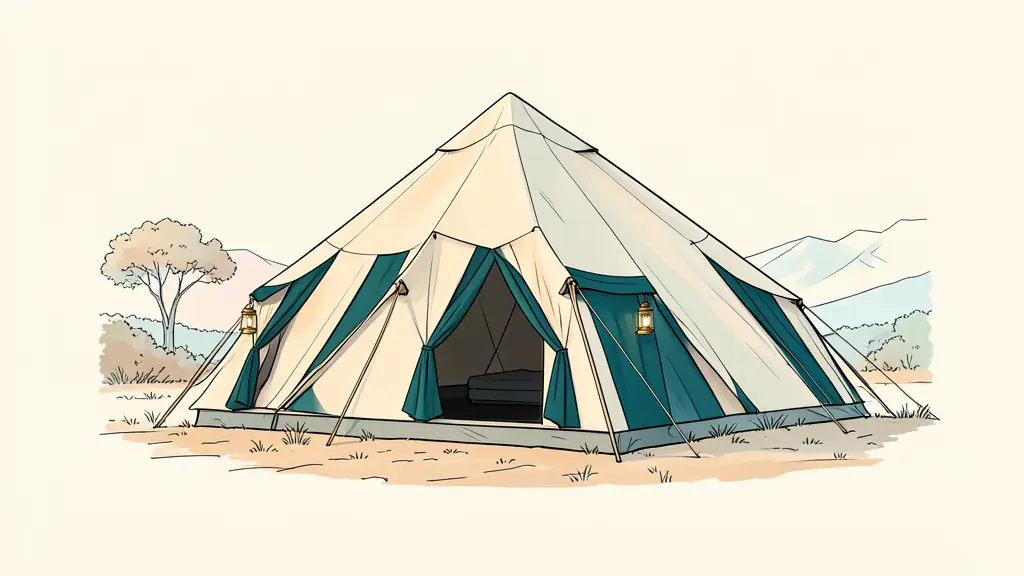
Executive verdict: the glamping economy is a high-yield hospitality segment driven by a structural shift toward premium outdoor immersion; profitability is decoupled from traditional hotel constraints but heavily dependent on site-specific zoning and operational scalability. Success requires moving beyond the « luxury tent » cliché to treat these sites as high-margin asset classes.
The Glamping Economy: Beyond the Luxury Tent
The glamping economy is growing because it answers a specific, escalating demand for nature-immersive experiences without the sacrifice of modern comfort. Unlike traditional camping, which relies on guest-provided equipment, or standard short-term rentals, this segment functions as a curated hospitality product. It leverages distinctive architecture and high-end amenities to command a pricing power that rivals boutique hotels.
For the strategic investor, the appeal lies in the ability to decouple revenue from saturated urban markets. By integrating real beds, climate control, and full bathrooms into off-grid or semi-remote settings, operators can achieve a significant glamping ROI. This shift transforms a leisure activity into a scalable business model centered on exclusivity and environmental prestige.
Market Mechanics and Growth Drivers
The rapid scaling of this sector is rooted in the experience economy, where consumers prioritize unique, shareable stays over standardized luxury. Privacy has become a premium commodity, driving guests toward isolated, architecturally striking accommodations. This demand allows operators to implement aggressive pricing strategies based on the scarcity of the location and the uniqueness of the structure.
The shift in consumer psychology
Modern travelers are moving away from « mass-market luxury » toward immersive, sustainable escapes. The desire for disconnection is now paired with a requirement for connectivity, creating a niche for high-tech off-grid living. This psychological pivot has expanded the market from a niche curiosity into a mainstream hospitality category.
The impact of remote work on long-stay nature retreats
The normalization of remote work has altered the occupancy cycle. Nature retreats are no longer limited to weekend bursts; they are becoming viable for mid-term stays. This trend increases the potential for higher occupancy rates and stabilizes revenue streams across previously dormant mid-week periods.
The glamping market is forecast to more than double by 2031.
Profitability Logic and Revenue Potential
The financial attractiveness of glamping stems from a favorable ratio between initial investment and Average Daily Rate (ADR). Traditional concrete hotel construction requires massive capital expenditure and long development timelines. In contrast, glamping structures allow for a faster break-even point and a shorter payback period due to lower construction costs and faster site deployment.
Pricing power and dynamic rates
Because these assets offer a unique experience rather than just a room, operators can exercise significant pricing power. Using channel managers and real-time synchronization, operators can implement dynamic pricing that reacts to local demand spikes. This optimization ensures that the RevPAR is maximized during peak seasons while maintaining a competitive edge through scalable distribution.
The GOPPAR advantage of lean staffing
Glamping models often operate with a fraction of the staff required for a full-service hotel. By automating guest check-ins and focusing on lean operational structures, operators can significantly increase their Gross Operating Profit Per Available Room (GOPPAR). The focus shifts from labor-intensive service to asset-light management, provided the glamping CAPEX is allocated toward durable, low-maintenance infrastructure.
Market expansion is supported by strong compound growth.
Comparing Asset Types and Entry Costs
Selecting the right asset is a decision of risk management and target demographic alignment. While bell tents offer the lowest entry cost, they suffer from limited durability and seasonality. Conversely, luxury cabins or geodesic domes command higher ADRs and offer year-round viability, though they require higher initial capital.
Strategic hospitality portfolio diversification involves balancing these assets to optimize the risk-to-reward ratio. An operator might pair high-turnover vintage Airstreams with high-ticket treehouses to capture different segments of the premium leisure market.
The following table compares common glamping assets based on investment and performance metrics:
| Asset Type | Setup Cost | Durability | Average ADR |
|---|---|---|---|
| Bell Tents | Low | Low | Moderate |
| Geodesic Domes | Moderate | Moderate | High |
| Luxury Cabins | High | High | Very High |
| Airstreams | Moderate | High | High |
The data indicates that while higher-cost assets require more upfront capital, their ability to sustain premium pricing across all seasons leads to superior long-term asset valuation.
Operational Feasibility and Risk Mitigation
Profitability in glamping is not determined by the aesthetics of the tent, but by the robustness of the underlying infrastructure. The « hidden » costs often lie in zoning compliance and land-use permits. Failure to secure the correct approvals from local planning authorities can lead to total operational shutdown, making due diligence the most critical phase of the investment.
Operational risk is further mitigated through strategic partnerships with utility providers and insurance carriers. Ensuring reliable water, waste management, and electricity in off-grid locations requires a technical approach to site management. Without these fundamentals, the guest experience fails, leading to high guest acquisition costs and low customer lifetime value.
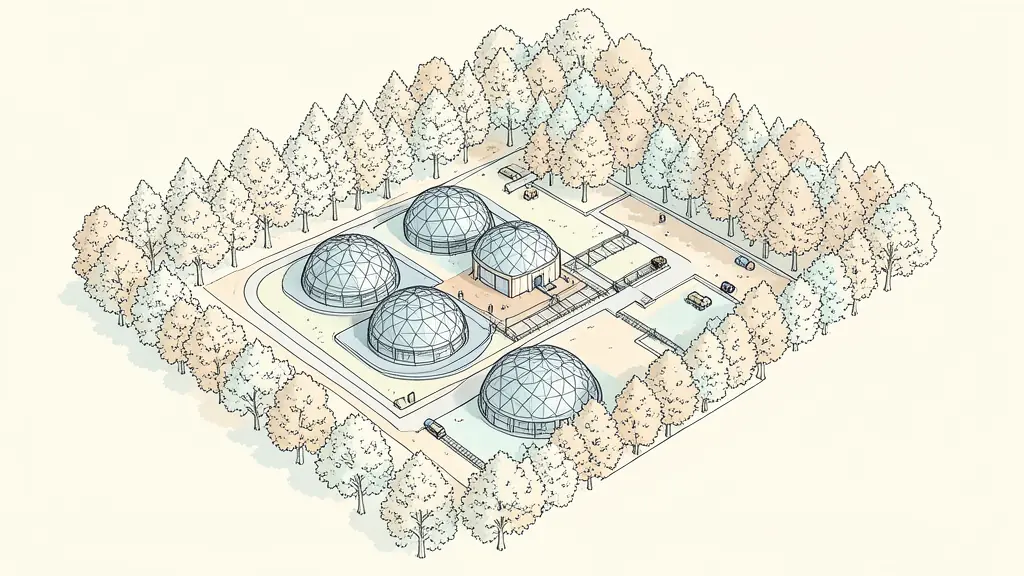
This model is most suited for operators who possess existing land access or investors comfortable with the regulatory complexities of rural development. The non-negotiable check before any acquisition is the verification of zoning laws to ensure the intended number of units is legally permissible.
The correct reflex is not to ask « which tent is most beautiful? » but « which asset provides the highest GOPPAR relative to the local zoning constraints? »
Envie d'aller plus loin ?
Laisse ton email, on te prévient dès qu'un nouvel article sort.