Hospitality Consulting Opportunities: Where to Work and How to Win Projects
Map the buyers, specialties, work formats, credentials, economics, and screening steps behind US hospitality consulting engagements.
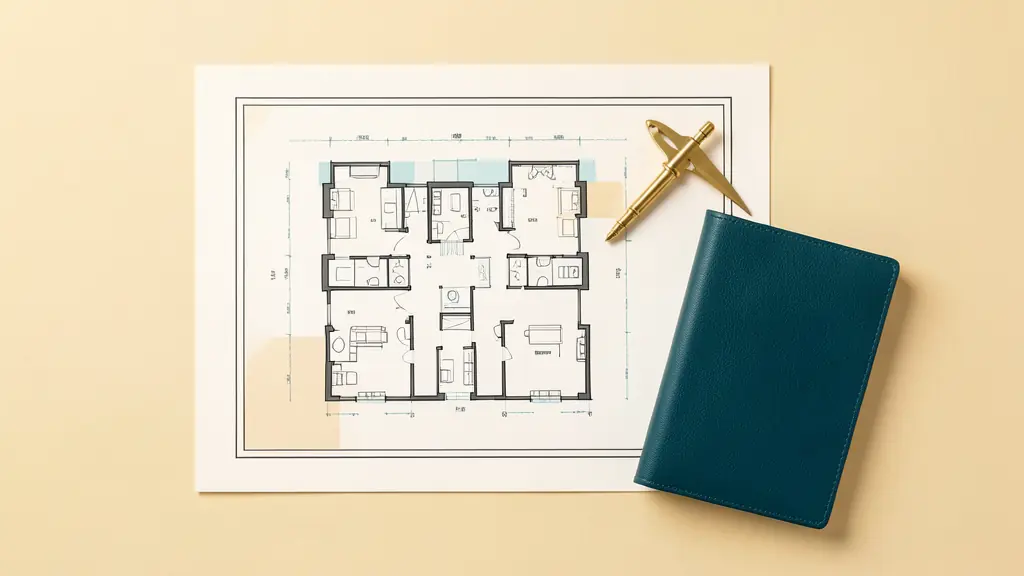
The strongest hospitality consulting opportunities sit where specialized expertise meets a measurable commercial problem. Choose the buyer, mandate, and delivery model before deciding how to market your experience. The opportunity matrix below identifies where credible operators and specialists can compete.
Pas le temps de lire ?
- Opportunities span hotels, resorts, restaurants, clubs, spas, wellness destinations, serviced apartments, and mixed-use assets.
- Projects can be salaried, independent, freelance, part-time, remote, on-site, travel-based, or structured as temporary management.
- The strongest offers connect a narrow specialization to a measurable result such as RevPAR growth, labor efficiency, or pre-opening readiness.
- Compensation may be hourly, daily, fixed-fee, milestone-based, or project-specific, but credible US rate benchmarks are not established by the supplied evidence.
- The next move is to package documented operating results into one defined service and test it through referrals, consulting networks, and targeted outreach.
The Opportunity Map: Buyer, Mandate, and Work Mode
The market extends well beyond traditional hospitality consultant jobs. Hotels, food and beverage businesses, developers, investors, and management companies buy different combinations of analysis, execution, and temporary leadership.
| Buyer or asset | Common mandates | Appropriate seniority | Typical work mode |
|---|---|---|---|
| Boutique hotel | Pricing strategy, distribution strategy, operational audit, SOP development, guest experience redesign | Department head, general manager, revenue leader, or specialist advisor | Hybrid or on-site |
| Luxury resort | Positioning strategy, service standards, staff training, wellness concept, sustainability | Senior operator or subject-matter specialist | On-site, hybrid, or travel-based |
| Serviced apartments | Market analysis, operating model, digitalization, revenue management | Multi-unit operator, commercial leader, or analyst | Remote or hybrid |
| Restaurant group | Restaurant consulting, menu development, kitchen-process improvement, labor redesign | Food and beverage leader or specialist | Primarily on-site |
| Private club | Customer centricity, member experience, service manuals, financial planning | Senior operations or membership specialist | Hybrid |
| Spa or wellness destination | Concept creation, guest-flow planning, brand identity, operating standards | Wellness, design, or operating specialist | Hybrid or travel-based |
| Developer | Feasibility study, business plan, master planning, pre-opening audit | Development, finance, design, or pre-opening leader | Hybrid or project-based travel |
| Investor or owner | Financial feasibility, investment calculation, asset review, operator search | Senior finance, asset management, or operating executive | Remote, hybrid, or transaction-based |
| Hotel operator or management company | Portfolio standards, post-opening audit, revenue trend analysis, temporary management contract | Experienced regional or corporate leader | Hybrid, travel-based, or embedded |
The same mandate can be accessed through several channels:
- Consulting-firm employment provides structure, brand leverage, and a more predictable pipeline.
- Independent projects provide control over positioning, scope, and client selection.
- Subcontracting allows an independent hospitality consultant to contribute specialist capacity under another firm.
- Part-time advisory work suits recurring analysis, owner representation, or strategic planning.
- Temporary management embeds the consultant in hotel operations with direct responsibility for execution.
The deciding question is not simply where work exists. It is whether the assignment requires advice, implementation, decision authority, or all three.
Sell a Business Outcome, Not General Hospitality Experience
Buyers rarely purchase experience in the abstract. They purchase a change in revenue, cost, risk, or asset value. A freelance hospitality consultant therefore needs an offer organized around a financial or operating outcome.
- Revenue management, pricing, sales and marketing, and channel optimization should connect to RevPAR, room rate, occupancy rate, channel cost, and booking mix.
- Operational redesign, labor planning, standard operating procedures, and bottleneck diagnosis should connect to GOPPAR, productivity, service consistency, and management capacity.
- Market analysis, competitive landscape analysis, financial planning, and a feasibility study should improve an investment decision, business plan, or operator selection.
- Guest feedback analysis, loyalty design, and customer centricity across touchpoints should support retention, repeat demand, and lifetime value.
- Brand development, concept creation, and a unique selling proposition should produce a defensible value proposition rather than cosmetic differentiation.
- Pre-opening, post-opening, sustainability, and digitalization work should reduce execution risk and improve scalability.
Demand is being shaped by changing guest expectations, cost pressure, technology adoption, and sustainability requirements. These drivers create work, but they do not excuse vague positioning. “Improving the guest experience” is not yet an offer. Diagnosing complaint patterns, redesigning service recovery, training staff, and tracking the operational and commercial effect is.
The same discipline applies to strategy development. A positioning strategy must translate into product choices, pricing logic, distribution priorities, brand identity, and operating requirements.
Employment Models Change the Economics and the Risk
Different hotel consulting careers can involve identical technical work but materially different economics.
- Salaried consulting employment: The firm usually owns the pipeline, client contract, methodology, and staffing decisions. Income is more predictable, but individual control over assignments and travel may be limited.
- Independent contracting: The consultant controls the offer and client relationship, while carrying responsibility for sales, utilization, administration, insurance, and collection.
- Freelance or part-time advisory work: This can create recurring portfolio support, but fragmented schedules and loosely defined availability can erode effective compensation.
- Subcontracting: A consulting firm supplies the client and may define the methodology. The consultant accepts lower commercial control in exchange for reduced acquisition effort.
- Temporary management: The assignment combines advisory judgment with operating authority. It can involve urgent travel, staff leadership, stakeholder management, and accountability for immediate performance.
Compensation may be hourly, daily, flat-fee, milestone-based, or project-specific. No reliable US rate range is available from the supplied evidence, so rate setting should begin with scope, required seniority, time commitment, travel burden, liability, and the value of the decision being supported.
A flat fee can reward efficiency when deliverables and access are controlled. It becomes dangerous when the client expects unlimited revisions or implementation support. Hourly and daily structures protect against uncertain workload but may penalize a consultant whose expertise produces a fast answer. Milestone billing aligns payment with progress, provided acceptance criteria are explicit.
Travel and expenses belong outside casual assumptions. Define reimbursable costs, travel-day treatment, approval rules, and on-site expectations. Flexibility has value, but pipeline variability, unpaid business development, scope creep, and low utilization can quickly eliminate the apparent premium of independent work.
Inside a Typical Hospitality Consulting Engagement
A credible engagement follows a controlled sequence. The independent hospitality consultant first confirms the business problem, stakeholders, decision process, and required data. Discovery should establish what management believes, what the operating evidence shows, and where those views diverge.
The diagnostic phase can combine an operational audit, guest feedback analysis, revenue trend analysis, occupancy-rate analysis, SWOT analysis, megatrend analysis, and competitive landscape analysis. A pre-opening audit emphasizes readiness, dependencies, staffing, and project management. A post-opening audit tests whether the concept, systems, and team are performing as designed.
Recommendations then become tangible work products, such as:
- An operating audit with prioritized corrective actions
- An SOP library and service manuals
- A pricing and distribution plan
- A labor model
- A financial forecast and business plan
- A concept brief or brand book
- An implementation roadmap with owners and deadlines
- A KPI dashboard for revenue, cost, quality, and execution
Implementation may require staff training, stakeholder workshops, vendor coordination, and changes to standard operating procedures. The final performance review should compare results with the agreed baseline, identify unresolved constraints, and transfer ownership to management. Advice without adoption is an incomplete engagement.

The Credibility Threshold: Experience, Skills, and Credentials
Clients assess whether the advisor can improve a consequential decision, not merely whether the résumé contains recognizable hotel brands. For senior mandates, evidence usually matters in several areas:
- Measurable operating or commercial results
- Leadership exposure and cross-functional judgment
- Financial and analytical fluency
- Clear executive communication
- Project timeline, budget, and deliverable control
- Client handling and investor relations
- Adaptability across assets, teams, and ownership structures
- Cultural fit without loss of objectivity
Mims Consulting Group requires candidates to have at least 10 years of senior leadership or consulting experience in hospitality. That is one firm’s threshold, not a universal industry rule. Assignments involving temporary hotel management, owner representation, or a complex turnaround will generally demand deeper leadership evidence than a bounded analytical project.
Hotel management experience is not mandatory for every mandate. Restaurant, finance, sales, technology, design, real estate, and investment specialists can be credible when their expertise matches the problem. The qualification gap emerges when someone claims authority over hotel operations without demonstrating command of operating constraints.
A bachelor’s degree in hospitality management or business administration can establish a foundation. Advanced study can deepen credibility, but it does not replace results. About 29% of graduates from the Swiss Hotel Management School Master of Science in International Hospitality Management program work in consulting. SHMS also describes its Master of Arts in International Hospitality Business Management as a one-year program.
American Hotel & Lodging Educational Institute credentials, commonly identified as AHLEI credentials, and Hospitality Sales and Marketing Association International programs can support specialized credibility. WSET qualifications from the Wine & Spirit Education Trust are relevant to beverage-intensive restaurant consulting or luxury operations. Specialist training, including SHMS masterclasses in Public Speaking, Wedding Planning, and Luxury Champagne, should be positioned according to mandate relevance.
The AHLA Foundation projects 12% hospitality job growth over the next five years, compared with a national average of 8% across all industries. Growth may expand the talent and advisory ecosystem, but credentials remain credibility enhancers, not universal entry requirements.
Convert Operating Experience Into a Consulting Offer
The transition begins before the consulting title. Front-line responsibility develops process knowledge. Supervisory work adds staff training and performance control. Management creates exposure to budgets, commercial trade-offs, cross-functional ownership, and executive communication. Advisory work becomes credible when those experiences can be converted into evidence.
Build anonymized case studies using five fields:
- Baseline: The condition before intervention, using an approved metric.
- Intervention: The pricing, process, staffing, service, or commercial change.
- Result: The measurable movement, without revealing confidential data.
- Timeframe: The period over which the change occurred.
- Personal contribution: The decisions and implementation work you directly owned.
Do not claim an entire property result when your contribution covered one workstream. Attribution discipline increases credibility.
Next, package one defined service. State the target buyer, triggering problem, deliverables, exclusions, timeline, required access, and success metrics. For example, an operational excellence package might include an operational audit, bottleneck diagnosis, priority SOP development, labor recommendations, and an implementation roadmap. It should not quietly expand into indefinite project management.
One specific offer is easier to buy, refer, price, and deliver than a broad promise of hospitality management consulting.

Build a US Project Pipeline Without Waiting for Job Posts
A project pipeline is built through trust networks and timely relevance, not only advertised vacancies. Prioritize channels where a buyer can verify both expertise and professional conduct:
- Consulting-firm talent networks, including specialist firms and groups such as Mims Consulting Group
- Subcontracting relationships with strategy, design, finance, technology, and hospitality management consulting firms
- Professional organizations such as HSMAI and the American Hotel & Lodging Educational Institute
- Industry conferences and focused owner, operator, development, and investment events
- Alumni and former-employer networks
- Referrals from attorneys, lenders, accountants, vendors, designers, and asset managers
- Direct outreach to owners, operators, investors, developers, and management companies
- International networks where relevant, including the SHMS International Recruitment Forum, held twice a year, and organizations such as HotellerieSuisse
International examples can broaden the relationship map. These include Paris Society Consulting, Quant AG, the HotellerieSuisse coaching program, and initiatives associated with the State Secretariat for Economic Affairs, or SECO. One cited SHMS internship at the 5-star Beau Rivage Hotel in Lausanne also illustrates how education, operating exposure, and networks can intersect. US candidates should still align outreach with the geography and buyer category they can serve.
Before contacting the market, prepare:
- A focused professional profile
- An outcome-based résumé
- An anonymized case-study portfolio
- Relevant references
- A concise service brief
- A reusable proposal template
- A statement-of-work outline
Tailor the message to a visible business condition. A generic introduction asks the recipient to find a use for you. A focused message connects a known asset type or strategic event to a defined result.
Screen the Engagement Before It Screens Your Profit
Commercial diligence protects margin, reputation, and the probability of implementation. Resolve the following before committing:
- Business problem: What decision or performance gap requires intervention?
- Deliverables: What exactly will be produced, in what format, and by when?
- Exclusions: Which analyses, revisions, meetings, and implementation tasks are outside scope?
- Authority: Who approves work, resolves disputes, and authorizes change?
- Stakeholder access: Will the consultant reach ownership, management, employees, operators, designers, and other essential parties?
- Data availability: Are operating, financial, guest, labor, pricing, and distribution records complete and accessible?
- Timeline: Is the schedule realistic relative to data access and stakeholder decisions?
- Budget and payment: What is the fee structure, payment schedule, deposit requirement, and expense policy?
- Success metrics: Which operational, financial, commercial, or project indicators define acceptance?
- Change control: How will additional requests affect timing and fees?
- Cancellation: What notice, payment, and work-product terms apply?
- Travel: Who pays for transportation, lodging, meals, and approved incidentals?
- Intellectual property: Who owns the analysis, templates, methods, and final deliverables?
- Confidentiality: What information is protected, and for how long?
- Implementation expectations: Is the assignment diagnostic, advisory, embedded, or accountable for execution?
Warning signs include withheld data, no identifiable decision-maker, unrealistic deadlines, resistance to written scope, contingent promises without defined measurement, repeated unpaid revisions, and demands to guarantee outcomes outside the consultant’s control. Misalignment among project teams, designers, operators, and stakeholders is itself a material project risk.
US independent consultants may need qualified legal, tax, and insurance advice on contracts, worker classification, business structure, liability coverage, expense treatment, and local, state, and federal obligations. These questions should not be improvised from generic templates.
A 30-Day Route to the First or Next Engagement
Use the next 30 days to build a sellable offer and a qualified pipeline, not a broad personal brand.
- Days 1 to 5: Select one commercially relevant niche. Anchor it to a buyer and metric, such as distribution strategy for boutique hotels, labor redesign for resorts, or financial feasibility for developers.
- Days 6 to 10: Document three measurable outcomes from prior work. Create anonymized case studies showing the baseline, intervention, result, timeframe, and personal contribution.
- Days 11 to 15: Define one bounded service package. Specify deliverables, exclusions, timeline, data requirements, success metrics, and implementation responsibilities.
- Days 16 to 20: Identify target buyers, management companies, and consulting partners. Segment them by asset type, mandate, geography, and likely need.
- Days 21 to 25: Request focused referrals from former colleagues, employers, vendors, advisors, alumni, and professional associations. Give each contact a precise description of the problem you solve.
- Days 26 to 30: Begin tailored outreach and screen every lead against scope, access, economics, decision authority, and implementation capacity.
Apply a candid fit test before pursuing this career path:
- Can you tolerate travel and changing schedules?
- Can you make decisions with incomplete information while stating assumptions clearly?
- Can you manage variable workload and pipeline uncertainty?
- Can you challenge executives without damaging the client relationship?
- Can you control deadlines, budgets, and scope under pressure?
- Are you willing to be accountable for practical results rather than recommendations alone?
The priority is not to appear available for every assignment. It is to package one credible commercial outcome, activate relationships that can validate it, and reject engagements that lack the access, economics, or authority required to succeed.
Envie d'aller plus loin ?
Laisse ton email, on te prévient dès qu'un nouvel article sort.