Hotel Operations Jobs: 9 Roles and Skills to Get Hired
Compare nine hotel operations roles, critical KPIs, pay variables, and a practical framework for choosing and winning the right position.

Hotel operations jobs span departmental control, property-wide execution, and full asset leadership. The right role depends less on title than on operating scope, financial authority, and proven results across labor, quality, revenue, and profitability.
Pas le temps de lire ?
- The strongest opportunities fall into nine role families spanning front office, rooms, housekeeping, food and beverage, facilities, guest experience, and property leadership.
- Evaluate scope through room count, team size, budget authority, P&L exposure, and KPI ownership, not the job title alone.
- Compensation and responsibilities vary materially by market, property class, union status, and ownership structure, so no single benchmark applies to every opening.
- Next step: score three relevant postings against your operating scope, quantified results, schedule constraints, and missing competencies.
Which nine roles make up a modern property operations team?
A modern team separates departmental execution from cross-functional and enterprise accountability. The hotel operations manager typically connects daily operating performance across rooms, food and beverage, engineering, and guest service, while senior leaders own broader financial and strategic outcomes.
| Role | Primary scope and reporting line | Core KPI | Typical property level |
|---|---|---|---|
| Front office manager | Reception, arrivals, departures, and night audit; reports to rooms or operations leadership | Front desk productivity and quality score | Department |
| Executive housekeeper | Room cleaning, public areas, linen, and housekeeping labor | Labor cost per occupied room | Department |
| Food and beverage manager | Outlets, banquets, service, inventory, and departmental labor | Department profit and cost percentage | Department |
| Chief engineer | Preventive maintenance, utilities, compliance, and capital coordination | Work-order closure and asset uptime | Department |
| Guest experience lead | Service recovery, recognition, feedback, and experience consistency | Guest satisfaction and recovery resolution | Department or property |
| Rooms division director | Front office and housekeeping performance | Rooms profitability and productivity | Multi-department |
| Operations manager | Daily cross-department execution and escalation control | GOPPAR and operating quality | Property |
| Director of operations | Department-head leadership, budgets, standards, and major initiatives | Flow-through and departmental profit | Full-service property |
| General manager | Entire property, ownership relationship, commercial strategy, and P&L | NOI, GOP, and asset performance | Executive |
For a deeper view of the service-focused position, review these guest experience lead responsibilities and KPIs.
Adjacent hotel management jobs can include revenue management, sales, finance, human resources, and asset management. They influence operations, but do not always control daily property execution. Compare any role using four filters: scope, reporting line, core KPI, and organizational level.
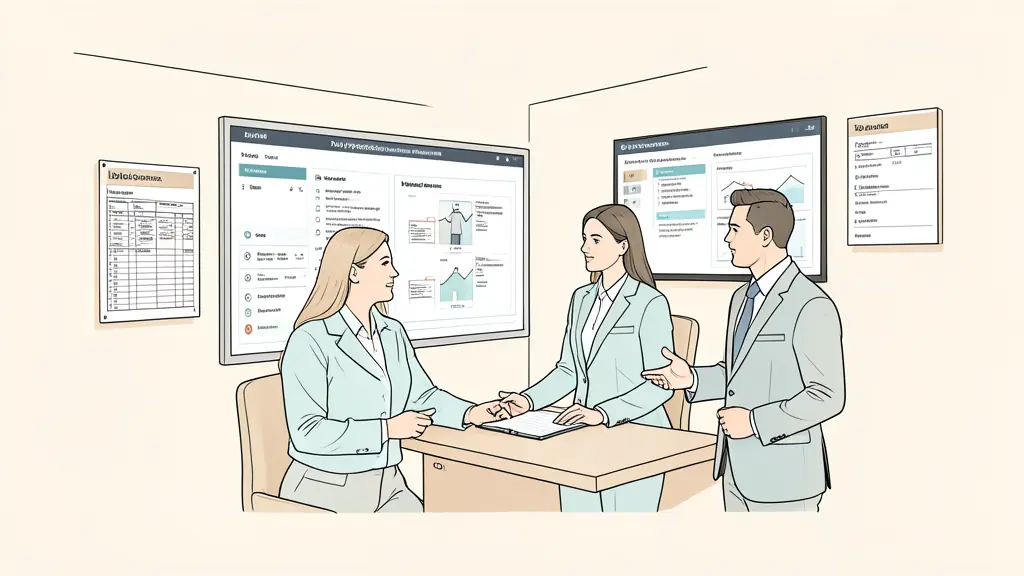
What level fits your current scope and experience?
The hotel operations career path usually progresses from departmental supervision to multi-department leadership, then to property-wide P&L ownership and portfolio oversight. Promotions should follow demonstrated scope, not tenure alone.
Use this fit test:
- Departmental manager: You control one function, its schedules, service standards, and operating budget.
- Rooms or operations leader: You coordinate multiple departments and resolve competing labor, quality, and revenue priorities.
- Director of operations: You lead department heads, own budget delivery, and execute property-wide change.
- General manager: You control the complete operating model, owner communication, commercial alignment, and P&L.
- Portfolio leader: You standardize performance across properties while accounting for brand, market, and asset differences.
Before applying, document rooms managed, direct and indirect reports, budget authority, union exposure, brand complexity, and cross-department ownership. Then connect that scope to measurable outcomes. A candidate who improved productivity, flow-through, or quality while controlling labor presents stronger evidence than one listing responsibilities alone.
If your background is more commercially weighted, compare it with revenue management roles, pay, and candidate fit.
Which skills and KPIs prove you can run the operation?
Baseline capabilities include scheduling, SOP control, service recovery, departmental budgeting, vendor management, safety compliance, and accurate reporting. Executive-level capability begins when you can integrate those disciplines, lead change, and protect profit without degrading standards.
Evidence standard, October 11, 2026: quantify operating impact through GOPPAR, flow-through, labor cost per occupied room, quality scores, and productivity.
A hotel operations manager should present evidence in this format:
- Financial result: GOPPAR movement, cost reduction, departmental profit, or improved flow-through.
- Labor result: hours saved, productivity improvement, or lower labor cost per occupied room.
- Quality result: movement in inspection, guest satisfaction, or service-recovery performance.
- Control result: stronger SOP compliance, vendor accountability, or preventive-maintenance completion.
- Change result: adoption across departments, sustained performance, and reduced operating friction.
Candidates pursuing hotel management jobs should separate participation from ownership. “Supported a new SOP” is weak. “Led implementation across three departments and tracked labor, quality, and compliance outcomes” demonstrates operating control.
O*NET OnLine and AHLA Foundation career resources, accessed October 11, 2026, provide useful occupational and career-framework context. Employers should still validate real capability through hospitality hiring tests for operational candidates.
What compensation and schedule should you expect?
Compensation benchmark rule, October 11, 2026: title alone is not a reliable measure of pay or operating burden.
Compensation varies by geography, hotel class, room count, union environment, bonus design, relocation requirements, and the number of departments under direct control. Schedule expectations also change materially when a role includes overnight escalation, weekend coverage, openings, renovations, or chronic understaffing.
The US Bureau of Labor Statistics Occupational Outlook Handbook data for Lodging Managers, accessed October 11, 2026, is the appropriate national occupational benchmark. No dollar figure is reproduced here because none was included in the supplied source material. That benchmark should not be treated as a complete valuation of a broader property leadership role.
A hotel director of operations may oversee department heads, capital disruption, labor strategy, and property-wide execution beyond what the occupational category captures. Evaluate base salary, incentive mechanics, benefits, relocation support, on-call burden, and decision authority together. Strong hospitality operations skills command value when they are attached to measurable financial responsibility.
How can you separate a strong opening from a risky one?
Score each posting and interview process against eight operating factors:
- Decision rights: Can the role change schedules, vendors, SOPs, and service processes?
- Ownership expectations: Which financial and quality outcomes belong to the position?
- Management turnover: Why did previous leaders leave, and how long did they remain?
- Staffing levels: Are vacancies temporary, structural, or built into the labor model?
- Deferred maintenance: What failures or capital constraints will affect performance?
- Technology stack: Are labor, maintenance, guest feedback, and reporting systems usable?
- Bonus metrics: Are targets defined, measurable, and within the role’s control?
- Span of control: How many departments, leaders, rooms, outlets, and shifts require oversight?
For a hotel director of operations, vague P&L accountability is a material warning. So are unlimited on-call expectations and responsibility for results without budget or hiring authority. A strong opening aligns accountability, resources, and decision rights. A risky one transfers unresolved problems while withholding the authority required to fix them.
What is the fastest credible path to an offer?
Run a disciplined application sequence:
- Select roles by actual scope, not title.
- Rewrite achievements around financial, labor, quality, and productivity outcomes.
- Prepare three operating case studies covering a cost problem, a service problem, and a cross-department change.
- Benchmark the property’s size, class, operating model, and apparent complexity.
- Ask due-diligence questions about staffing, turnover, capital needs, authority, and bonus metrics.
- Negotiate against total responsibility, schedule exposure, and performance risk rather than title prestige.
Your immediate action: score three openings against the eight-factor framework, identify the single most important evidence gap in your candidacy, and close it before submitting the next application.
FAQ
Do hotel operations roles require a hospitality degree?
Not always. Employers often accept substantial property-level experience in place of a degree, although larger brands and senior portfolio roles may prefer formal hospitality or business education.
What is the difference between an operations manager and a general manager?
An operations manager typically controls daily departmental execution, labor, service standards, and operating KPIs. A general manager carries broader accountability for the full P&L, commercial strategy, ownership reporting, and asset performance.
Which metrics should an operations candidate discuss in an interview?
Prioritize GOPPAR, labor cost per occupied room, departmental profit, flow-through, guest issue resolution time, quality audit scores, and productivity by department. Use before-and-after results whenever possible.
Can a revenue management professional move into hotel operations?
Yes, particularly when the candidate can demonstrate cross-functional leadership, budgeting, demand forecasting, and commercial decision-making. Direct exposure to rooms, labor deployment, and service recovery strengthens the transition.
Envie d'aller plus loin ?
Laisse ton email, on te prévient dès qu'un nouvel article sort.